







 About us
New Zealand’s neuroscience community has received a major injection of funding from the Neurological Foundation, with $4 million in new investment set to accelerate cutting-edge research into Alzheimer’s disease, dementia, cerebral palsy and neuroinflammation.
The Foundation’s CEO, Rich Easton, says the launch of the inaugural Programmes and Platforms marks a significant step forward at a critical time.
“This investment is about giving our researchers the resources they need to tackle some of the most pressing neurological challenges. It’s a vote of confidence in the incredible talent we have here in New Zealand, at a time when funding is extremely tight.”
Easton explains how the funding priorities were shaped. “We approached the research community and asked what they needed. They told us where the gaps were, and – thanks to the incredible generosity of our donors – we were able to respond.”
This new funding is on top of what’s distributed in the Foundation’s six-monthly grants rounds – usually totalling around $5 million per year.
The Foundation’s Head of Research, Dr Sarah Schonberger, added: “This new, longer-term funding of up to five years supports multidisciplinary teams, international collaboration, and engagement with Māori. The research enabled by this funding boost will increase our understanding of neurological diseases in New Zealand, and will help make significant progress towards diagnosis, prevention and treatment.”
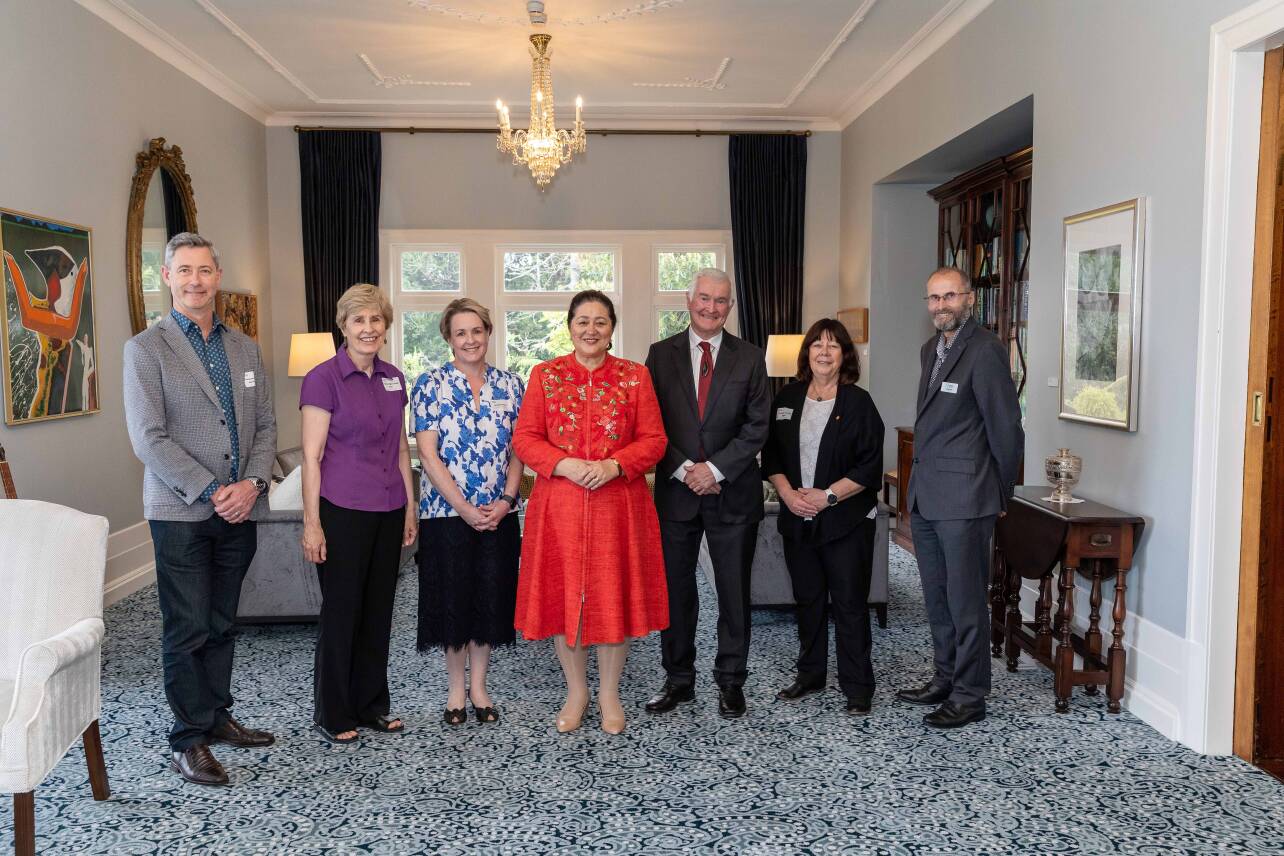
The funding was celebrated at a special event at Government House in Auckland last Friday with Her Excellency The Right Honourable Dame Cindy Kiro, Governor-General of New Zealand and patron of the Neurological Foundation, where the researchers expressed their gratitude.
Programmes:
Blood Biomarkers: A New Frontier in Alzheimer’s Diagnosis in New Zealand
$998K
Principal Investigators: Dr Erin Cawston, Auckland; Associate Professor Joanna Williams, Dunedin; and Dr Campbell Le Heron, Christchurch.
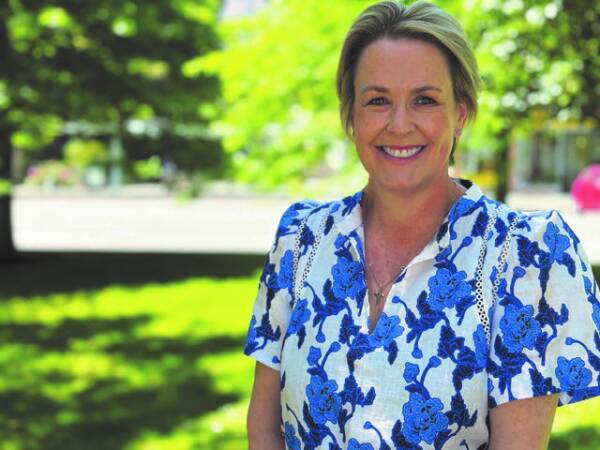
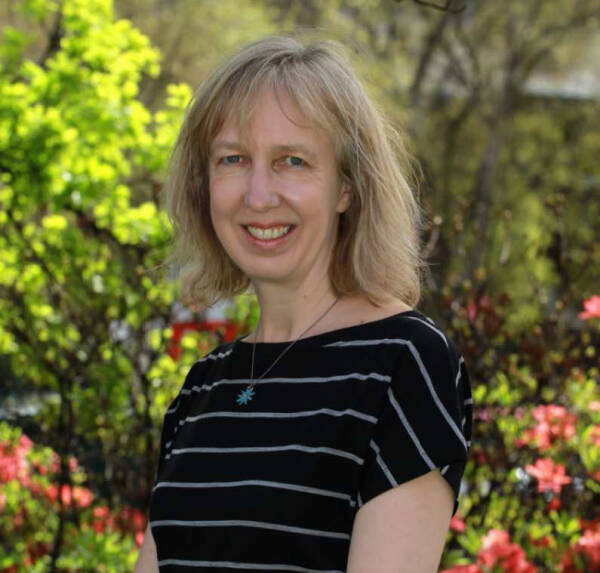
This programme aims to make Alzheimer’s diagnosis faster, simpler, and more accurate through a blood test. Using the Dementia Prevention Research Clinic networks, it seeks to improve early diagnosis, disease monitoring, and access to therapies. The research prioritises Māori perspectives and tikanga. It provides a training ground for emerging scientists and clinicians, while contributing to a fairer and more effective dementia care system in New Zealand.
“This work will allow international knowledge to be applied in New Zealand, allow New Zealanders to be tested for Alzheimer's early and allow them to access new and developing therapies, which might make a difference in the disease progression.” Joanna Williams
Ultra-large scale drug discovery for the regulation of neuroinflammation
$999K
Principal Investigators: Associate Professor Jack Flanagan; Professor Michael Dragunow; Dr Daniel Conole; Dr Hamid Abbasi, Auckland.
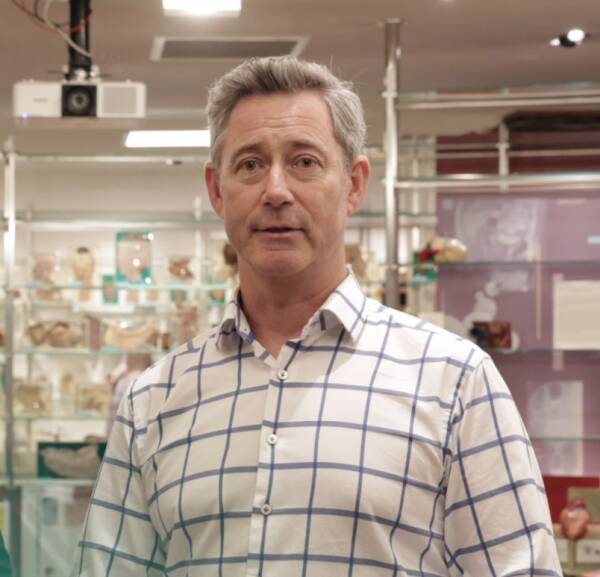
Inflammation in the brain contributes to many neurological conditions. This programme combines patient-derived brain cells with advanced computer modelling to discover new treatments that can reach the brain and reduce inflammation. By screening millions of compounds and building models of the brain’s protective barrier, researchers aim to identify effective, targeted therapies, improving care for people with brain disorders and speeding up drug discovery in New Zealand.
“This funding will help us begin to reshape the landscape of neurological research for drug discovery in New Zealand.” Jack Flanagan
Platforms:
The New Zealand Cerebral Palsy Register: Evolution into a CP Research Platform
$968K
Principal Investigators: Professor Susan Stott and Dr Gina O’Grady, Starship Children’s Health; and Professor Justin O’Sullivan, Auckland.

The New Zealand Cerebral Palsy Register was established in 2015. This new phase will expand it into a full research platform. It will increase data coverage to 80% of the under-21 population, include MRI and genomic data, and support research into neurological, orthopaedic, and rehabilitation outcomes. It will enable NZ-led studies, attract international trials, and improve genetic screening, driving better care and understanding for Kiwis with cerebral palsy.
“We want to make a better future tomorrow for the child diagnosed with cerebral palsy today and thanks to the efforts and donations of the donors of the Neurologic Foundation, that vision can now be realised.” Susan Stott
Mate Wareware-Dementia Prevention Research Platform
$1 million
Principal Investigators: Professor Lynette Tippett, Auckland; and Dr Campbell Le Heron, Christchurch.
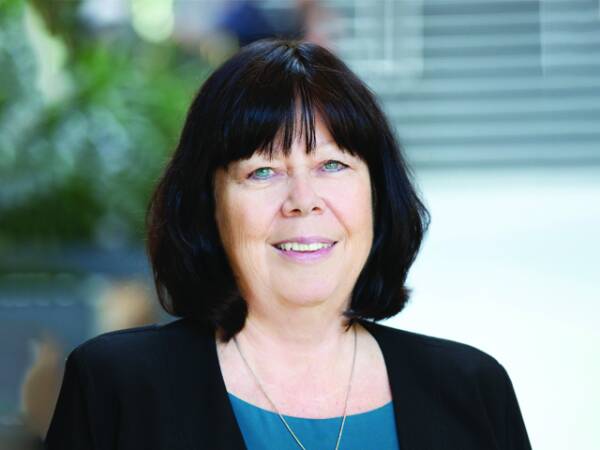
Alzheimer’s disease and related dementias pose major health challenges in New Zealand, with unique cultural and developmental factors influencing risk and progression. The Mate Wareware-Dementia Prevention Research platform will expand access to NZ’s national dementia clinics, integrate mātauranga Māori, and develop a national dementia registry. It will impact Kiwis’ lives by deepening our understanding of Alzheimer’s, improving diagnosis and strengthening NZ’s leadership in dementia research.
“Without this award, the opportunity to honour the gifts of our research participants would have been lost. We believe this is a wonderful opportunity to make a real difference for our dementia communities.” Lynette Tippett
Easton says: “Innovations like this help us move forward as a nation, bringing everyone along on the journey towards a brighter future. We are so excited to see what the next five years bring.”
The Neurological Foundation has invested in brilliant Kiwi research for the past 55 years (and is the leading non-profit funder in the field of neuro research). In that time, the generosity of the Foundation’s donors has funded $88 MILLION of investment in neurological research. That includes the latest injection of $4 million into Programmes and Platforms.
To arrange interviews, call Glenda on 0276869889


 Donate